Compare Local Contractors for Commercial Slab Construction Success
Compare local contractors for commercial slab construction to define project scope, verify experience, and establish clear expectations in writing for a successful build.
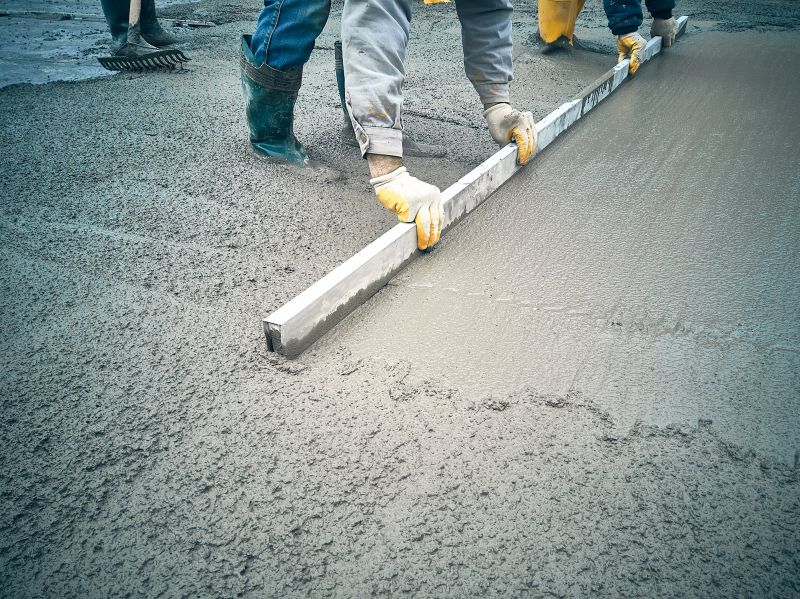
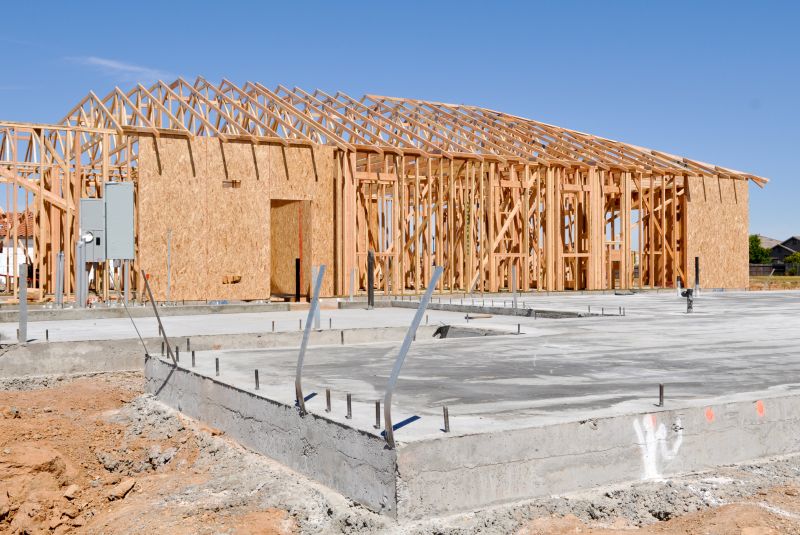
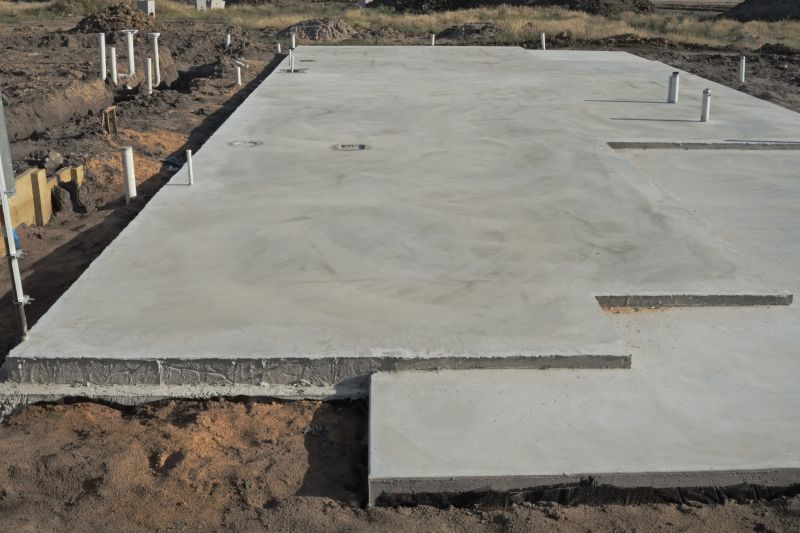
Commercial slab construction involves creating the foundational concrete surfaces required for a variety of business structures, including warehouses, retail centers, office buildings, and industrial facilities. This work typically covers site preparation, formwork, reinforcement placement, pouring, and finishing of concrete slabs that serve as the base for subsequent construction. Properly executed slab work ensures structural stability, level surfaces, and long-term durability, making it a critical component of any commercial building project. Understanding the scope of this work helps property owners communicate their needs clearly and ensure that all necessary aspects are addressed during the planning and contracting phases.
Defining the scope of a commercial slab project is essential to establishing clear expectations and avoiding misunderstandings with service providers. A well-detailed scope includes specifics about the size and layout of the slabs, the type of concrete mix, reinforcement details, and any additional features such as joints or finishes. Property owners should verify that prospective contractors have relevant experience in similar projects and are familiar with local building codes and site conditions. Documenting the scope in writing ensures that all parties agree on what work is to be performed, which can help prevent scope creep and ensure the project aligns with the intended design and function.
When comparing local contractors for commercial slab construction, property owners should evaluate their experience, reputation, and the range of services offered. It’s helpful to review credentials such as project portfolios, references, and any relevant project history in the area. Asking detailed questions about their approach to site preparation, concrete quality, and finishing techniques can reveal their expertise and attention to detail. Additionally, obtaining multiple proposals and comparing how each contractor proposes to handle the scope of work can provide insights into their understanding of the project’s requirements. Selecting a service provider with a proven track record and clear communication can contribute to a smoother construction process and a successful outcome.
Compare local contractors by outlining project priorities, verifying experience, and clearly defining scope and expectations.
- Verify Experience - Ensure contractors have relevant experience in commercial slab construction to meet project requirements.
- Define Scope Clearly - Establish detailed project scope to align expectations and prevent misunderstandings.
- Compare Local Contractors - Evaluate multiple service providers based on expertise and past work to find suitable options.
- Document Agreements - Put project details and expectations in writing to support clear communication and accountability.
Before comparing contractors, clearly describe your project scope and verify their experience to set proper expectations.
- Verify experience and references of local contractors in commercial slab construction. Ensure they have a proven track record with similar projects and can provide past client contacts.
- Define the scope of work clearly in writing, including specifications, materials, and project requirements. Detailed documentation helps prevent misunderstandings and sets clear expectations.
- Compare multiple service providers to assess their expertise, communication, and professionalism. Gathering multiple quotes and information allows for better decision-making.
- Check that contractors understand site-specific considerations such as soil conditions and load requirements. Proper assessment ensures the slab is designed and constructed to meet project needs.
- Confirm that all project details, including scope and responsibilities, are documented in a comprehensive contract. Written agreements help protect interests and provide a reference for project expectations.
- Assess the contractors’ safety protocols and compliance with industry standards during the planning phase. Ensuring safety considerations are addressed can influence project quality and adherence to regulations.
Compare local contractors, define project scope clearly, verify experience, and set expectations in writing.
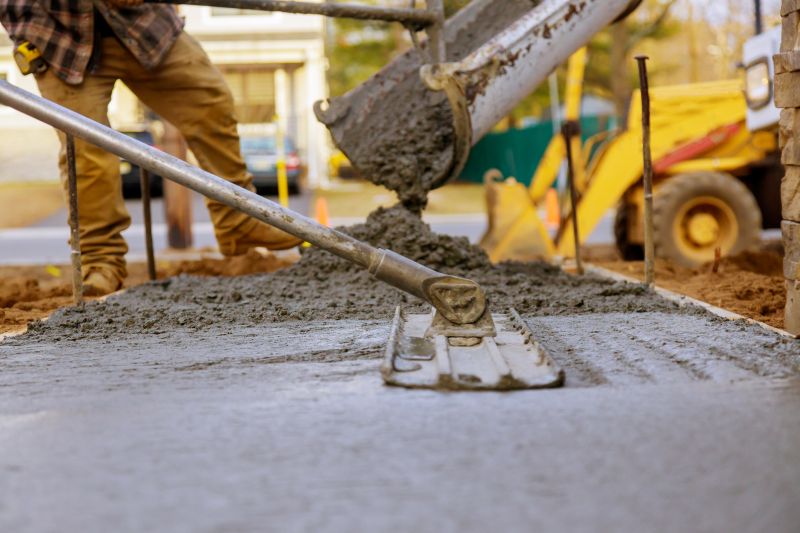

Use consistent scope definitions and experience verification to accurately compare local contractors for commercial slab projects.
- Scope Definition - Clearly outline the specific requirements and dimensions of the commercial slab to ensure all parties understand the project scope.
- Experience Verification - Confirm that local contractors have relevant experience with commercial slab construction to meet project demands.
- Material Specifications - Specify the types and quality of materials to be used in the slab to align expectations.
- Work Responsibilities - Define the responsibilities of each service provider involved in the slab construction process.
- Documentation and Agreements - Ensure all project details, scope, and expectations are documented in written agreements before work begins.
When evaluating contractors for commercial slab construction, it is essential to consider their experience with similar projects. Inquire about the types of slabs they have previously built, including the size, complexity, and specific use cases. Contractors with a proven track record in commercial settings are more likely to understand the unique demands of such projects, including load requirements and site challenges. Confirm that they have completed projects comparable in scope and scale to ensure they possess the relevant expertise needed for successful execution.
A clear, written scope of work is a vital component when comparing service providers. This document should outline the specific tasks, materials, and responsibilities involved in the project, leaving little room for ambiguity. A well-defined scope helps ensure that all parties share the same expectations and provides a basis for evaluating proposals objectively. When reviewing contractor proposals, look for detailed descriptions of the work to be performed, including any assumptions or exclusions, which can prevent misunderstandings later in the process.
Verification basics involve confirming a contractor’s ability to deliver quality work through references, project history, and reputation. Seek out local contractors with a history of completing commercial slab projects successfully in the area. Contact previous clients or project owners to gather insights into the contractor’s reliability, communication, and adherence to project specifications. Additionally, verify that the contractor’s experience aligns with the specific requirements of the project, such as soil conditions, load capacities, and site access, to ensure they can handle the unique challenges of the site.
When comparing options, it is important to evaluate the completeness and clarity of each contractor’s proposal and scope of work. Look for consistency in the details provided and assess whether the scope addresses all critical aspects of the project. Asking service providers about their planning process, quality control measures, and approach to unforeseen issues can help clarify their professionalism and preparedness. Ultimately, selecting a contractor involves weighing their experience, clarity of communication, and ability to meet project needs-focusing on these factors can lead to a more informed decision without relying on price considerations.
Ask contractors to provide written scope details to ensure clear understanding and consistent project expectations.
- Experience and References - What relevant project experience do the local contractors have with commercial slab construction?
- Scope of Work - How do the contractors define and clarify the scope of the slab project in writing?
- Project Planning - What methods do the service providers use to ensure expectations are clearly communicated and documented?
- Comparison Criteria - How can the scope, experience, and methods of different local contractors be effectively compared?
- Work Approach - What construction techniques and materials do the local pros typically recommend for commercial slabs?
How can I compare contractors for commercial slab construction? To compare contractors, review their experience, verify references, and assess their scope of work to ensure they meet project requirements.
What should I consider when defining the scope of a commercial slab project? Clearly outline the size, thickness, location, and any specific structural or design needs to set accurate expectations with service providers.
How can I verify the experience of a contractor handling commercial slabs? Ask for details about their past projects, check references, and review any portfolios or case studies related to similar commercial slab work.
Why is it important to have the project scope in writing? Having the scope documented helps prevent misunderstandings, ensures all parties agree on the work to be done, and provides a clear basis for project expectations.
What questions should I ask potential contractors about their process? Inquire about their approach to site preparation, materials used, quality control measures, and how they handle unforeseen issues during construction.
How can I ensure the contractor understands my project needs? Communicate your project details clearly, ask for written proposals, and confirm that their scope and methods align with your expectations before proceeding.
This page has highlighted key steps to find qualified contractors for commercial slab construction, including how to clearly define the scope of work, verify experience, and set expectations in writing. Understanding these considerations can help in making informed comparisons among service providers in the area, ensuring that the selection process aligns with project needs.
Using the provided quote form allows for easy comparison of local contractors, helping to identify options that match specific project requirements. Connecting with experienced service providers through this tool can streamline the process of evaluating potential partners for commercial slab construction projects.